Sound Systems & Sound Engineers
"...if you have lots of young people in your church, you will likely find they are quite keen to use some technology like this. You can encourage them to look at some online training and improve their skills as a church sound engineer."

How do sound systems and sound engineers relate to church piano players?
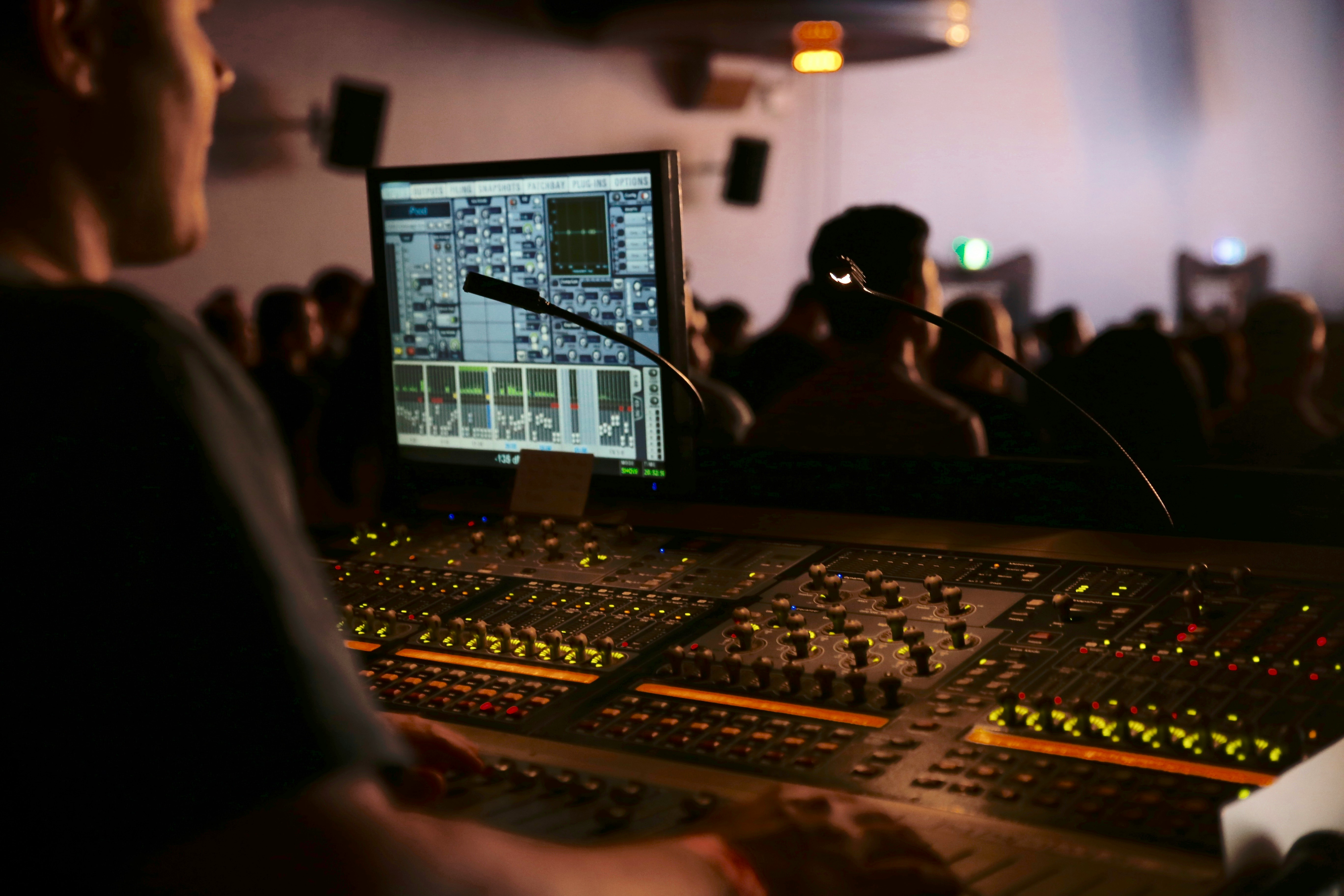
Well, first, here's a simple description of a sound system for those who may not know: a set of speakers, a mixer, monitors and cables, that you can plug microphones and instruments into to manage your sound in a church setting.
With the advances in technology, you can now get wireless systems with fewer cables (though you still need some), and also systems that can be controlled from an iPad, saving you the need to buy a mixer.
The purpose of this post is for those of you who need to operate a sound system, but don’t know where to start. This will just be a brief overview of things to consider, so I highly recommend researching and watching some videos that teach it in depth.
So, here's a few important considerations when using a sound system.
Your budget or the church's budget
A lot of the time you get what you pay for. You don’t want to go cheap, but you don’t need to go super flashy, and there are certainly some good deals out there. If possible, go along to a local shop, or even better, see if there are any church-specific music stores or companies that can point you in the right direction. It’s worth noting that many regular music stores offer discounts to churches on sound equipment, so be sure to ask.
Making sure you have monitors that allow you to hear yourself clearly
This is particularly important if you are singing and/or playing from an electronic keyboard where the sound is only coming from the main speakers. It’s vital you also get to hear that sound too, so you can sing in tune, and hear what you are playing.
Choosing the best system for the size of your room
You don’t want more power than you need, and you don’t want less than you need. Be sure to communicate this to the person you are buying the system from so you get the relevant advice.
Who is going to run the sound system?
The person who does this is called a sound engineer. If you get a system, someone needs to run it. A very basic set up can be prepped and left without anyone needing to touch it, but only in some circumstances. As soon as there are more instruments and more voices in the mix, you absolutely have to have someone to do this.
The good thing is if you have lots of young people in your church, you will likely find they are quite keen to use some technology like this. You can encourage them to look at some online training and improve their skills as a church sound engineer.
It's definitely important to consider this before buying a new system.
Portability
Will your church be using this system in other locations in the church or for outdoor events like outreaches? If so, you would want a system you can easily pack down, move and set up again.
However, if it’s a system that will be permanently in the church, then this doesn’t matter.
So that’s a few things to consider then to help point you in the right direction, but make sure you also do your research so that you have a good understanding before operating or purchasing a sound system.
[Return to The Church Piano Player Website]
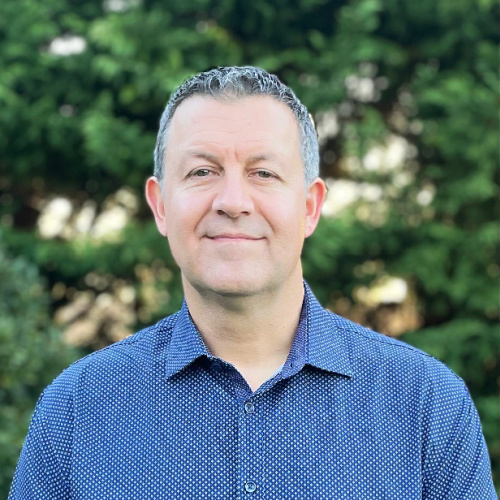
This blog post was written by pastor and pianist Kris Baines, from The Church Piano Player. Kris lives in the UK with his family, having recently moved back from New Zealand where he worked as a pastor for the past 26 years (also leading worship/worship teams). Kris has also spent over 35 years writing, recording, and performing music and is now bringing all that combined experience together to help equip church piano/keyboard players.
Check out the church piano player website for more information on online courses by Kris Baines.

📧WANT TO RECEIVE NEW BLOG POSTS DIRECT TO YOUR INBOX?📧
SIGN UP BELOW