Five Technical Pointers
"When you can't hear your voice from a monitor, it’s really easy to go slightly out of tune without noticing. It also causes you to sing louder and strain more as you don’t have an accurate reflection of how your voice sounds."
How do sound systems relate to church piano players?
In this week's post, we're going to look at 5 technical pointers for leading from the piano, which are relevant to piano players who will be singing with a microphone. Depending on your setup, you may be more or less involved, especially if you have a sound engineer, but they are still important pointers to consider.
Here's the first point...
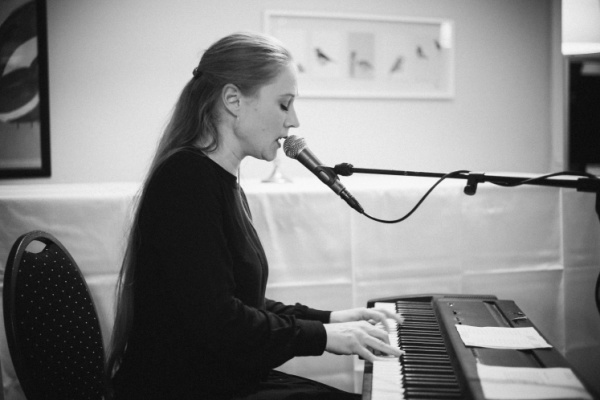
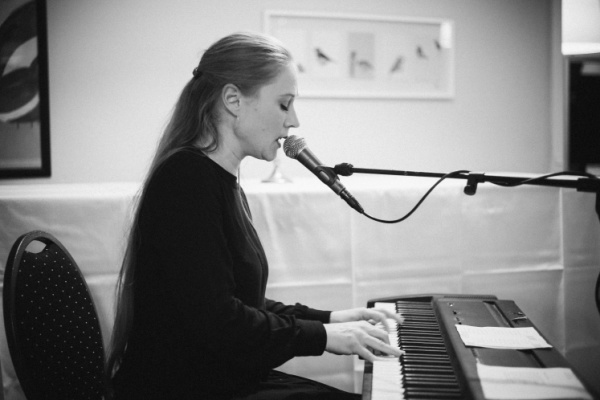
Position your microphone well so it’s not in your way
This is something I often find quite tricky, as it’s hard to get the mic in a position that isn’t blocking your music. Likewise, if you move it to prevent that, it easily blocks your hands, and you can’t see what you’re playing; so there’s not much room to play with. You can experiment, but generally a 45-degree angle works well, with the arm of the mic stand coming from the left-hand side. Make sure your mic stand isn’t old or a faulty one that gradually slips down, as that’s no fun to deal with!
With most modern microphones, you will want to be singing so your mouth is literally just touching the mic, rather than being too far back. If you have a sound engineer, they can give you guidance on that, too. Just make sure you don’t get a static shock when you touch the mic! I’ve experienced that a few times, and it’s not too fun!
Use reverb if you can, but do it right
Again, if you have a sound engineer, they'll mostly manage this. However, if they're new to it, they may seek your help, so it's good to be aware of these things.
If your sound system has a reverb option, which is the echo you hear on voices, this is not something you want to use in a way where the echo is obvious. However, if you do it right and subtly, it really helps to soften your voice and makes it blend better with the music. These kinds of techniques are all about doing unnoticeable things - then you know you’ve done it well!
Make sure you have good monitoring
Sometimes, when you are singing through a sound system, the people running the sound, if they are inexperienced, don’t realise the importance of you being able to hear your voice coming back through the monitor. This also applies to your keyboard if it’s electric, and any other instruments, too.
When you can't hear your voice from a monitor, it’s really easy to go slightly out of tune without noticing. It also causes you to sing louder and strain more as you don’t have an accurate reflection of how your voice sounds.
So make sure you take care of this, as it really makes a big difference.
Check that your voice is at the right level
Here, I’m referring to the level that is put out on the sound system. A good sound engineer won’t need your help with this, but if they do, ask for your voice to be loud enough to lead, but not so loud that it’s all people hear.
Also, if you are singing with other vocalists, ask for your voice to be just (but only just) above theirs, so you can lead effectively.
The final point then is...
Use EQ to ensure your voice is not harsh on the ears
This is definitely getting more technical, and ideally, it will be left to the sound engineer. However, if you are left running the system on your own with little help, then take the time to learn about EQ. A quick Google search should give some helpful information.
To explain it briefly, EQ stands for equalisation; it's the tools we use in sound engineering. It helps to remove unnatural sounds and get the sound back to how it would usually be. It also helps to reduce harshness, muddiness, and lessens the chance of that enemy of the worship leader - feedback - that no one wants to hear screaming through the speakers mid-worship.
Just to recap, here are the five technical pointers again...
Position your microphone well so it’s not in your way
Use reverb if you can, but do it right
Make sure you have good monitoring
Check that your voice is at the right level
Use EQ to ensure your voice is not harsh on the ears
I hope you've found this post helpful, as we've considered some of the practical aspects of leading worship as a church piano player.
[Return to The Church Piano Player Website]
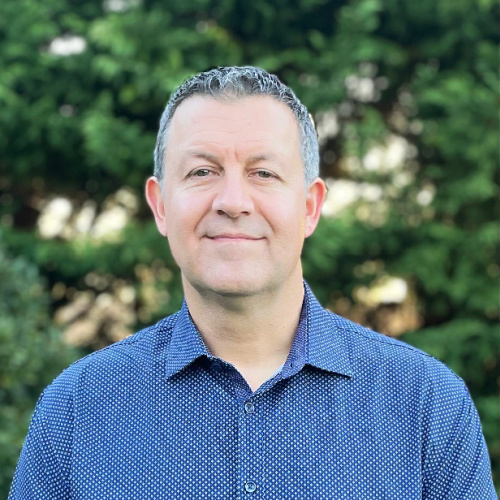
This blog post was written by pastor and pianist Kris Baines, from The Church Piano Player. Kris lives in the UK with his family, having recently moved back from New Zealand where he worked as a pastor for the past 26 years (also leading worship/worship teams). Kris has also spent over 35 years writing, recording, and performing music and is now bringing all that combined experience together to help equip church piano/keyboard players.
Check out the church piano player website for more information on online courses by Kris Baines.

📧WANT TO RECEIVE NEW BLOG POSTS DIRECT TO YOUR INBOX?📧
SIGN UP BELOW